Friday, 27 December 2024

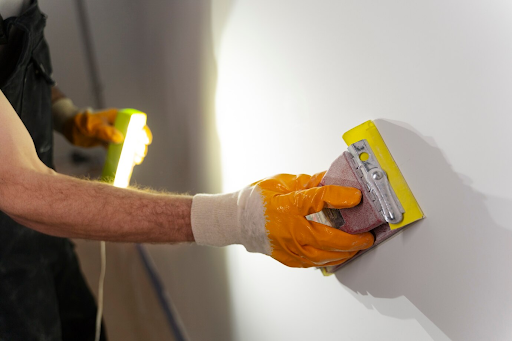
Protect Your Home: Tips for Tackling Damp Walls and Paint Damage


Damp walls and peeling paint can lead to long-term structural damage and health issues like mold growth. Here are some DIY strategies to prevent and fix these problems:

  1. Identify the Source: Check for water seepage, condensation, or plumbing leaks.
  2. Prepare the Wall: Scrape off peeling paint, clean mold, and let the wall dry completely.
  3. Seal and Waterproof: Use high-quality waterproofing products and damp-proofing paint.
  4. Fix Exterior Walls: Seal cracks and apply weatherproof paint to prevent water penetration.
  5. Choose Breathable Paint: Opt for matte emulsions that allow moisture to evaporate.
  6. Improve Ventilation: Ensure good airflow with exhaust fans and open windows.
  7. Regular Maintenance: Inspect walls and ceilings periodically, especially during the rainy season.

By following these steps, you can protect your home from damp walls and paint damage. For expert advice and top-tier waterproofing solutions, contact 20MCC today!


Friday, 20 December 2024

How to Repair Tiles Using Tile Adhesive: A Step-by-Step Guide

How to Repair Tiles Using Tile Adhesive: A Step-by-Step Guide

Tiles add a polished look to any space, but they can get damaged over time. Repairing them might seem daunting, but with the right tile adhesive and a few steps, you can achieve professional results.

How Tile Adhesive Works: Tile adhesive secures tiles to surfaces like concrete, wood, or drywall. It comes in ready-mixed paste or powdered form. Modern adhesives work well on both vertical and horizontal surfaces, providing strong adhesion.

Tools and Materials Needed:

  • Tile adhesive
  • Replacement tiles
  • Grout (Rainbowsil and Rainbowsil Hardener + Resin)
  • Tile spacers
  • Notched trowel
  • Rubber mallet
  • Tile cutter (optional)
  • Putty knife or chisel
  • Bucket and mixing stick (for powdered adhesive)
  • Sponge and clean cloth
  • Protective gloves and safety goggles

Steps to Repair Tiles:

  1. Assess the Damage: Check if the tile is loose, cracked, or missing. Replace if necessary.
  2. Remove the Damaged Tile: Carefully remove the tile without damaging adjacent ones.
  3. Clean the Surface: Ensure the surface is clean and dry for effective adhesion.
  4. Prepare the Adhesive: Mix powdered adhesive or use ready-mixed adhesive.
  5. Apply the Adhesive: Spread adhesive evenly with a notched trowel.
  6. Install the Tile: Place the tile, align it, and press firmly. Use spacers for even gaps.
  7. Allow Adhesive to Set: Let it cure for 24–48 hours.
  8. Apply Grout: Mix and apply grout, then clean excess with a damp sponge.
  9. Clean and Polish: After grout sets, polish the tile surface.

Tips for Success:

  • Use quality materials.
  • Match colors and sizes.
  • Work slowly and precisely.
  • Maintain consistency with spacers and grout width.
  • Seal grout lines to protect from moisture and stains.

Avoid Common Mistakes:

  • Don’t rush the process.
  • Avoid using too much adhesive.
  • Ensure the surface is clean.

Build Stronger, Last Longer — Choose 20MCC! By following these steps and using quality products, you can restore your tiles effectively. 20MCC offers the best waterproofing services and construction chemical solutions in India. Trust the experts for all your construction needs and build with confidence!

Sunday, 8 December 2024

How to Make Your Home 100% Waterproof with Leakage-Proof Chemicals


Water seepage can damage your home’s structure and foster mold growth, posing health risks. Ensuring 100% waterproofing with advanced chemicals like 
20MCC’s Nanosil is key to protecting your space.

Why Waterproofing Matters

  • Shields your home from water damage.
  • Prolongs the building’s lifespan.
  • Cuts costly repairs.
  • Prevents mold and ensures better air quality.

Main Causes of Water Seepage

  1. Cracks in Walls and Floors
    Poor construction or thermal expansion causes cracks that allow water in.

2. Faulty Pipes & Drainage
Broken pipes or poor drainage lead to water buildup.

  • Fix: Regular maintenance and repairs.

3. Groundwater Seepage
High water tables cause foundation leaks.

  • Fix: Install waterproof membranes.

4. Poor Roof Design
Flat or damaged roofs trap water, leading to seepage.

  • Fix: Use proper designs and waterproof coatings.

5. Weak Foundation Waterproofing
Improper foundation treatment invites leaks.

Fix: Apply high-quality waterproof membranes.

Why Choose 20MCC’s Nanosil?

Nanosil offers:

  • Easy application.
  • Superior adhesion.
  • Long-lasting weather resistance.
  • Protection against UV rays, chemicals, and abrasion.

Conclusion

Protect your home with Nanosil, the trusted waterproofing solution from 20MCC. Say goodbye to water seepage and enjoy a safer, more durable home. Book your consultation today!

Tuesday, 3 December 2024

Step-by-Step Wall Waterproofing Guide: Protect Your Walls from Moisture


Wall leaks are one of the common issues that most house owners encounter. Some of these leaks can be severe and lead to high repair costs, mold development, and wall weakening. However, one simple fix is to waterproof your walls

This easy fix ensures that your walls are safe from water damage and is also a budget-friendly solution. In this article, we’ll run through a detailed procedure for making your wall waterproof so your house remains safe from moisture damage.

How To Waterproof Your Walls From Moisture

Wall waterproofing is a rather simple process and can be done with just a few simple steps and a few materials. We’ve divided each step into smaller sections, making it easier for you to understand and follow. Now, let’s start with the first step:

1. Inspect Your Walls

The first process is to assess the walls for any damage. Seek for any form of opening, including cracks, holes, and any other tear that may be present on the wall’s surface.

Also, you need to look for signs of moisture, like stains or discoloration of paint, mold growth, or even the smell of mold. If you notice even the hint of a problem, do not ignore it because it will worsen over time.

2. Clean and Prepare the Walls

You will have to prepare the walls before the waterproofing process to ensure a proper seal. If you have loose paint or wallpaper anywhere in the room, strip it off and apply wall filler over the holes in the walls.

Sand the surface using sandpaper and apply a primer to improve the holding capacity of the waterproofing solution.

3.Waterproofing Coating for Walls


Materials for waterproofing walls come in many forms, and while most of them are effective in what they are designed to do, each has its pros and cons. Some common options for waterproofing material include:

  • Liquid Solutions: They are available as a solution that can easily be brushed, rolled, or sprayed on the wall surface. They are commonly used in spaces that are hard to reach and easy to install. You can opt for Nanosil, which is a strong waterproof material.
  • Paint-on waterproofing: These include latex and oil-based paints. They can be applied directly to the wall, are long-lasting, and form a rigid concrete shield against water.
  • Sheet membranes: These membranes form a hard shield and are effective for waterproofing. They are made of multiple materials, including rubber, PVC, bitumen, or any material that can be glued onto the wall surface.
While purchasing these wall waterproofing materials, consult the salesperson on each material's benefits and also factor in your budget. 

4. Use Wall WaterproofingMaterial

When you have decided on which material to use for waterproofing, the next step is to apply it to your walls. It is preferable to use Micronsil 30C to form a strong base and have a strong waterproof sealant.

Always read the manufacturer’s instructions and guidelines for applying the chosen product and use the correct equipment and methods.

If you want to use Nanosil, apply it as a liquid using a paintbrush or roller or as a waterproof sealant along with the paint you use. Make sure to use the correct rollers as mentioned in the instructions.

5. Let the Waterproofing Material Dry

The waterproofing materials will vary in how long it takes for the material to dry and harden. Always read the instructions on the packet or manual and wait for the walls to dry. 

One coat of waterproofing should be enough to stop any minor leaks. However, it is suggested that two coats should be applied for optimal waterproofing.
 

6. Seal Cracks and Joints

Once the waterproofing has dried, it is essential to ensure that there are no crevices in the face of the wall or any seams that can produce openings through which water can seep into the wall. If you find any such cracks or seams, use a sealant to seal them. You can also refer to a professional crack filling service for a premium finish.

Silicone or polyurethane sealants are usually used with waterproofing materials since they are flexible and water-resistant.

7. Install Drainage Systems

To enhance the waterproofing of your walls, you can also install a drainage system to help channel water away from the wall surface. 

This could include laying a French drain, putting up a gutter and downpipe system, or any other drainage system that helps you direct water away from your walls.

8. Monitoring and Maintenance 


The last preventive measure is ensuring proper maintenance is always done to keep the walls waterproof and away from moisture. 

Occasionally analyze your walls and see if there are indications of damage; if ever there is, repaint the waterproofing material on the walls. Also, remember to clean your gutters and other drainage systems and ensure no water accumulation around your house walls.

Sealing Moisture Away with Wall Waterproofing 

Sealing your walls is crucial in preventing water damage and mold that may be catastrophic and costly to your house. With these easy steps, you can seal your walls effectively and quickly protect your home from wearing out. 

Protect your home with the best waterproofing service in India from 20MCC– a trusted name since 1987. As water leakage solution experts in India, we provide advanced solutions to enhance the durability of your walls and minimize repair costs. With a legacy of excellence and a global presence in over 68 countries, we deliver premium waterproofing chemicals and services tailored to your needs. Contact us today and seal moisture away for good!

Wednesday, 27 November 2024

Epoxy Grout for Tile Joints: Application Tips for Bathrooms, Kitchens & More


Epoxy grout has transformed the way tile joints are finished, especially in areas that demand high durability and aesthetic appeal like bathrooms, kitchens, and other moisture-prone spaces. Unlike traditional grouts, epoxy grout offers long-lasting performance, stain resistance, and a polished look. This guide dives into essential tips for applying epoxy grout, ensuring tile joints maintain their appearance and functionality over time.

Why Choose Epoxy Grout for Tile Joints?

Epoxy grout is crafted to be water-resistant, stain-proof, and incredibly durable, making it the top choice for tile joints in areas like kitchens and bathrooms. Traditional cement-based grouts can discolor or crack over time, especially in high-traffic or moisture-heavy environments. Epoxy grout, on the other hand, maintains its integrity and appearance with minimal upkeep. For those seeking a grout that not only enhances tile joints but also withstands wear, epoxy grout is the ideal solution.

Benefits of Epoxy Grout for Tile Joints

Water Resistance- Perfect for wet areas like bathrooms and kitchens, epoxy grout prevents water from seeping into tile joints.

Stain Resistance-  This grout does not absorb stains, keeping tile joints looking fresh even in high-traffic spaces.

Durability-  Epoxy grout’s long-lasting performance means fewer repairs and lower maintenance costs over time.

Aesthetic Appeal- Available in a variety of colors, epoxy grout allows homeowners to add unique touches to tile joints.

Preparing for Epoxy Grout Application

Proper preparation is key to successful epoxy grout application. Here’s how to start:

Clean the Surface – Before you begin, ensure that all tiles and tile joints are clean and free from dust, grease, or residues. This helps the grout bond more effectively.

Use the Right Tools – A grout float, sponge, and bucket of water are essential. Also, wear gloves to protect your hands from the chemicals in the epoxy grout.

Mix Carefully – Follow manufacturer instructions precisely when mixing epoxy grout, such as Rainbowsil Hardener + Resin, to ensure a smooth, even application.

Step-by-Step Application of Epoxy Grout

Applying epoxy grout to tile joints is straightforward but requires attention to detail. Follow these steps for optimal results:

Apply the Grout

Using a grout float, apply the epoxy grout over the tile joints, pressing it in firmly to fill all gaps. For an even application, angle the float at 45 degrees and work in small sections.

Clean Excess Grout

After filling the tile joints, use a damp sponge to wipe away excess grout on the tile surface. Ensure the sponge is just damp, not soaking, to avoid diluting the grout in the joints.

Allow to Set

Let the grout set according to the manufacturer's recommendations. Rainbowsil, for instance, typically requires a short curing time before the next cleaning step.

Final Cleaning

Once the grout is partially set, use a microfiber cloth to remove any remaining residue from the tile surface without disturbing the grout in the tile joints.

Recommended Epoxy Grout Products for Tile Joints

For the best results, consider using high-quality epoxy grout products. Rainbowsil - Epoxy Grout for Tile Joints (5 KG) is a premium option, featuring colored quartz sand with a high purity of quartz. It not only strengthens tile joints but also enhances their appearance with a range of color options. This product provides a smooth, seamless finish that’s perfect for any home or commercial space.

Additional Product Recommendations

Rainbowsil Hardener + Resin (1.31 KG)

This two-component system combines with Rainbowsil color powder to create a lasting, vibrant finish for tile joints. It offers excellent stain resistance and prevents cracking, making it ideal for both residential and commercial settings.

Rainbowsil Separate Filler (3.69 KG)

This epoxy filler, combined with hardener and resin, ensures flawless application, leaving tile joints smooth and free from stains. Its antibacterial properties make it ideal for kitchens and bathrooms where hygiene is essential.

Tips for Using Epoxy Grout in Specific Areas

Epoxy grout can be used throughout the home but requires slight adjustments depending on the space:

Bathrooms

Epoxy grout is ideal for bathroom tile joints as it prevents water damage and mold growth. For a luxurious finish, use Rainbowsil products that add a decorative touch to bathroom tile joints while maintaining their durability.


Kitchens

The kitchen is prone to spills and stains, making epoxy grout a great choice for tile joints. Choose a product that resists stains and maintains its color, such as Rainbowsil Hardener + Resin. This ensures your kitchen tile joints remain vibrant despite frequent cleaning.

Discover expert tips for applying epoxy grout on tile joints in bathrooms, kitchens, and high-traffic areas. Achieve a durable, stain-resistant finish with Rainbowsil epoxy grout for lasting quality and style.


High-Traffic Areas

For high-traffic areas like hallways or commercial spaces, opt for epoxy grout that withstands heavy use without discoloring. Rainbowsil’s high-durability properties make it suitable for spaces with a lot of foot traffic.

Frequently Asked Questions

Q1) What are tile joints?

Tile joints are the small spaces or gaps between individual tiles. They help accommodate minor tile movements, prevent cracking, and are filled with grout to ensure a seamless look. Epoxy grout is an excellent choice for these joints, providing both aesthetic appeal and long-lasting durability.

Q2) What is a typical tile joint?

A typical tile joint is usually 1/16 to 1/8 inch wide, though it can vary depending on tile type and installation requirements. These joints are filled with grout to prevent dirt, water, and debris from accumulating. Epoxy grout is particularly effective for filling tile joints due to its water-resistant and stain-resistant properties.

Q3) Is epoxy grout better than regular grout?

Yes, epoxy grout is generally better than regular (cement-based) grout, especially for areas exposed to moisture or high traffic. Epoxy grout resists stains, cracks, and discoloration, making it ideal for bathrooms, kitchens, and other demanding spaces. Its longevity and low maintenance needs make it a preferred choice for homeowners and professionals alike

Maintenance Tips for Epoxy Grout

Epoxy grout requires minimal maintenance, but a few simple steps will keep your tile joints in excellent condition:

Regular Cleaning – Wipe down tile joints with a mild detergent to remove any surface grime.

Avoid Harsh Chemicals – Use non-abrasive cleaners to maintain the grout’s finish.

Inspect Regularly – Occasionally check tile joints for any signs of wear, particularly in high-traffic areas, and touch up as necessary.

Conclusion

Epoxy grout offers a superior solution for tile joints, blending functionality with aesthetic appeal. Whether you’re updating your kitchen, bathroom, or high-traffic areas, products like Rainbowsil Epoxy Grout for Tile Joints provide lasting quality and elegance. Choose epoxy grout for a seamless, stain-resistant finish that keeps your tile joints looking pristine. Transform your space today with Rainbowsil’s high-quality epoxy grouts, available at 20MCC.

Contact us to explore our range of epoxy grout products and elevate your home’s design. Embrace a durable, beautiful finish for your tile joints that stands the test of time.
Tuesday, 12 November 2024

The Essential Guide to Waterproofing New Terraces


Waterproofing is a critical aspect of construction that many homeowners overlook, often considering it an unnecessary expense. However, when it comes to the integrity and longevity of your home, waterproofing is a step you can’t afford to skip. This guide delves into why terrace waterproofing is essential and outlines the steps to ensure your new terrace remains leak-free for years.

Why Is Terrace Waterproofing Important?

Terrace waterproofing is crucial to prevent water seepage and leaks, especially during the monsoon season. Without proper waterproofing, rainwater can easily penetrate the roof surface, leading to structural damage, unsightly stains, and deteriorated paint. Investing in waterproofing during the construction phase can save you from costly repairs and repainting in the future.

So why wait until the damage is done? Let’s explore how terrace waterproofing is carried out and why it’s a must for any new construction.

Steps for Waterproofing a New Terrace

1. Surface Preparation
Begin by cleaning the terrace slab thoroughly. Remove all dust, dirt, oil, and grease to ensure a smooth surface for the waterproofing treatment.

2. Leak Detection
Flood the entire terrace area with water to identify potential leaks, cracks, or damp spots. This step helps in pinpointing areas that need extra attention.

3. Application of Waterproofing Slurry
Mix Nanosil and cement to create a smooth slurry using a low-speed stirrer. Apply this mixture to the bare slab using a brush. It’s important to use the right amount of slurry in a short time frame (15–30 minutes) to maintain its consistency. Avoid adding water to the mixture.

4. Additional Layer for Extra Protection
After 24 hours, apply a second layer of the same slurry mix for enhanced durability. Let the area cure for 24–48 hours to allow the mixture to bond properly.

5. Curing the Coating
Use moist gunny bags to cure the coating for 4–5 days. This ensures the waterproofing layer sets effectively.

6. Performance Check
Flood the terrace once again to check the effectiveness of the waterproofing treatment. This step helps in identifying any areas that might need additional application.

7. Brick Bat Coba Application
While the coating is still wet, apply a layer of cement mortar for brick bat coba. Mix Nanosil with cement in the mortar mixture to enhance its waterproofing properties. It’s advisable to consult waterproofing experts for precise proportion mixing.

8. Final Construction Steps
Proceed with the traditional building methods of placing brick and I.P.S. (Indian Patent Stone) over the terrace to complete the process.

Using Micronsil 30C Plus during construction can further enhance the strength of your terrace, providing added protection against heat and water damage.

The Right Waterproofing Chemicals for Terrace Protection

Choosing the right waterproofing products is crucial for long-lasting results. At 20MCC, we provide high-quality waterproofing solutions designed to protect your terrace from both water and heat damage. Our experts can guide you through the best materials and techniques tailored to your needs.

Why Consult an Expert?
Understanding waterproofing techniques can be challenging, which is why it’s best to seek professional advice. Book a consultation with our waterproofing specialists today to ensure your terrace is well-protected against any future damage.

Thursday, 7 November 2024

5 Simple and Beautiful Village House Designs to Inspire Your Rural Home


Building a home in the picturesque countryside of India offers a unique blend of peace, simplicity, and tradition. When planning a village house design, it's important to blend aesthetics with durability to create a sustainable living space. Here, we explore five inspiring designs for your rural home and explain why integrating waterproofing solutions is crucial for their long-term resilience.

1. The Courtyard House: Tradition Meets Functionality

A courtyard house is a classic village house design that centers around an open courtyard. This feature acts as a natural gathering area, providing plenty of light and ventilation to the living space. Ideal for regions with moderate to warm climates, this design enhances energy efficiency.

Key Features:

  • Open central space for community gatherings

  • Natural airflow and lighting

  • Adaptable for modern and traditional aesthetics

Why Waterproofing Matters: Since the courtyard is exposed to the elements, it's essential to apply roof waterproofing solutions around the periphery and drainage areas. This prevents water seepage and ensures that rainwater doesn’t damage the central part of the house.

2. The Kerala-Style House: Elegance in Design

Kerala's rich architectural heritage offers beautiful houses with sloped roofs, wooden frameworks, and extended verandas. This simple village house design in India is perfect for areas with heavy rainfall.

Key Features:

  • Sloped roof for efficient water drainage

  • Wooden accents and intricate carvings

  • Large verandas for outdoor relaxation

Waterproofing Essentials: To protect wooden elements and prevent water infiltration, wall waterproofing solutions are vital. This ensures the longevity of the house and maintains the visual appeal of its intricate designs.

3. The Wada House: Expansive and Regal

Traditional to Maharashtra, the Wada house is an excellent example of a spacious and functional village house design. It often features multiple courtyards and is built using local materials like stone and brick. This design allows for ample space and adaptability for larger families.

Key Features:

  • Multiple courtyards for communal activities

  • Use of natural materials for sustainability

  • Flat roofs and broad layouts

Waterproofing Considerations: Due to the flat roofs, water pooling can be a significant issue. Effective waterproofing solutions are necessary to prevent roof damage and ensure the courtyards remain dry and safe.

4. The Thar Desert House: Compact and Cool

For those inspired by the arid regions of Rajasthan, the Thar desert house provides a normal village house design that incorporates thick walls, shaded verandas, and small windows to maintain cool interiors. This design promotes natural insulation and ventilation to combat the harsh climate.

Key Features:

  • Thick walls for temperature control

  • Small windows to minimize heat entry

  • Shaded outdoor spaces

Why Waterproofing Is Necessary: Even in dry areas, kitchens and bathrooms can be susceptible to water damage. Using best waterproofing services ensures that these areas are protected, preventing mold and structural issues from moisture exposure.

5. The Coastal Goan House: A Blend of Leisure and Durability

Coastal Goan houses are designed to complement their serene surroundings. These homes typically feature large verandas, high ceilings, and open layouts to facilitate natural air circulation, keeping the interiors cool. The materials used are often resilient against the humid and salty air.

Key Features:

  • High ceilings for natural ventilation

  • Spacious verandas for outdoor relaxation

  • Open layout for an airy feel

Waterproofing Solutions: Given the exposure to humidity and salt air, roof waterproofing solutions and anti-corrosion measures for metal fittings are crucial. This helps protect the structure against rain and preserves the unique features of the house over time.

Frequently Asked Questions

Q1) What is the type of village house?
Village houses vary by region, from courtyard-style homes to coastal designs and Wada houses, each catering to the climate and lifestyle of the area.

Q2) How are the houses in villages?
Houses in villages are often simple and practical, designed for ventilation, space efficiency, and community living. They reflect local culture and are built using materials readily available in the region.

Q3) What are the designs of houses?
Designs range from courtyard-centric homes, Kerala-style sloped-roof houses, and expansive Wada houses, to compact Thar desert homes and breezy coastal Goan homes.

Conclusion: 

When designing your rural home, choose a village house design that resonates with your needs and environment. Integrating modern elements like waterproofing solutions is essential to protect against potential water damage and enhance your home’s lifespan. At 20MCC, we provide comprehensive roof and wall waterproofing solutions to secure your home, ensuring it remains beautiful and durable for generations.

Ready to make your dream rural home a reality? Contact us today to discover how our best waterproofing services can provide long-term protection for your village house.

Protect Your Home: Tips for Tackling Damp Walls and Paint Damage

  Damp walls and peeling paint can lead to long-term structural damage and health issues like mold growth. Here are some DIY strategies to p...